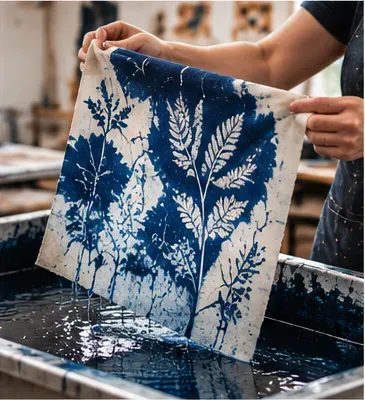
Textiles: printing with natural dyes

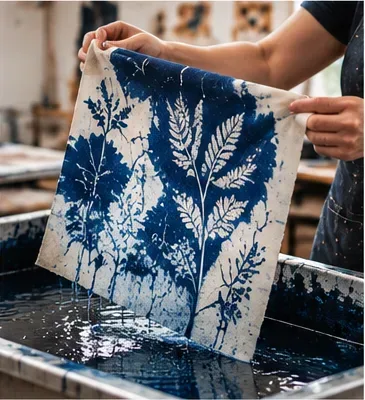


A beginner-level course in screen printing natural dyes onto fabric using low-tech methods, mordants and sustainable textile techniques.
About this course
Participants develop simple textile designs and print them onto linen, cotton, wool and silk using hand screen printing, mono-printing and cut-paper stencils. Demonstrations cover the safe use of mordants, mixing natural dye extracts and producing durable, wash-fast prints. The course combines individual tuition, group discussion and practical experimentation with sample fabrics. Learners also develop colour palettes, compare dyed colours with swatches and begin a natural dye print reference book for future work at home or in a small print workshop.
What you'll learn
- Create hand screen prints on natural fabrics using personal designs and natural dyes
- Use mordants and natural dye extracts safely for textile printing
- Mix natural dye extracts and produce prints in a range of colours
- Develop colour palettes and begin matching natural dye colours to swatches
- Compile a natural dye print reference book
Is this course right for you?
The course is intended for beginners as well as more experienced artists, including textile print designers, screen printers and natural dyers exploring alternative dye media or screen-printing methods. It may also suit professionals updating their skills. Learning involves demonstrations, individual tuition, practical sample-making and group discussions.
- Suitable for textile print designers developing a new skill
- Relevant to screen printers exploring natural dye media
- Relevant to natural dyers translating existing work into screen printing
- Designed to accommodate both beginners and more experienced artists
Before you go
- All basic materials are provided.
- Learners should bring colour inspiration and a sketchbook or other visual references for shapes and imagery.
- Additional pieces of natural fabric such as cotton, linen, silk or wool may be brought to supplement the provided fabric.
- Aprons and gloves are available to borrow.
- Sturdy shoes and old clothes are recommended because printing may be messy.
- Handouts containing recipes and supplier details are provided.
Class teacher
Lara Mantell
Class teacher
Where this course runs
Upcoming classes
1 class
Selected date
Sun 7 Feb 2027
10:30 – 16:30 • 3 weeks
£249
Keeley Street, Covent Garden