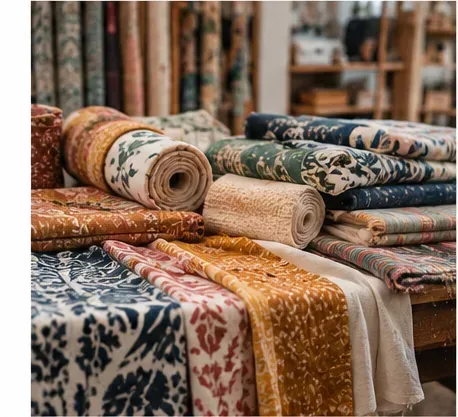
Textiles: sustainable bundle dyeing

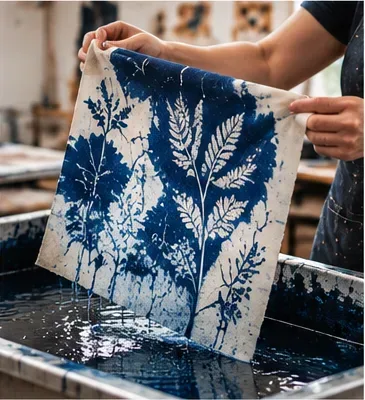

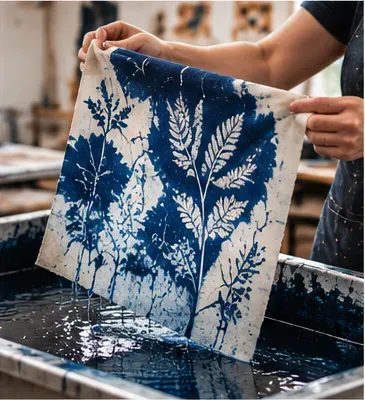
An advanced-level course exploring sustainable bundle dyeing, botanical pigments and colour modification through demonstrations, experimentation and individual feedback.
About this course
The course examines cold and hot bundle dyeing, blanket dyeing, flower printing and colour modifiers, with attention to how different plant and animal fibres respond to botanical pigments. Participants will explore ways to prepare textiles for colour intake and preservation, including scouring and mordanting, and consider how dyed fabrics can be preserved or their colours shifted. Teaching combines visual presentations, demonstrations, handouts, group discussion, sample analysis and individual feedback. There is time to experiment with the techniques and begin documenting methods and recipes in a natural dyeing reference book.
What you'll learn
- Apply cold and hot bundle dyeing techniques
- Prepare plant and animal fibres using scouring and mordanting
- Use flower printing, blanket dyeing and colour modifiers in textile work
- Identify natural textiles and select suitable preparation methods for dyeing
- Develop notes on dye recipes and techniques for future reference
- Use local plants, flowers, dye extracts and food waste for bundle dyeing
Is this course right for you?
The course is labelled advanced, but the provider also welcomes beginners in any creative field. It can also suit intermediate and advanced learners seeking to combine natural dyeing methods, experiment further or deepen existing knowledge. Sessions include demonstrations, group discussion, experimentation and individual feedback.
- Beginners in any creative field are welcome
- Intermediate and advanced learners can extend or combine existing natural dyeing methods
Before you go
- A notebook or sketchbook is recommended for documenting experiments.
- For the first class, participants may bring up to two small natural fabric or clothing items for bundle dyeing. Each item should weigh under 150g and contain at least 80% cotton, silk, bamboo, wool or linen.
Class teacher
Renata Minoldo
Class teacher
Where this course runs
Upcoming classes
1 class
Selected date
Sat 24 Oct 2026
10:30 – 16:30 • 3 weeks
£249
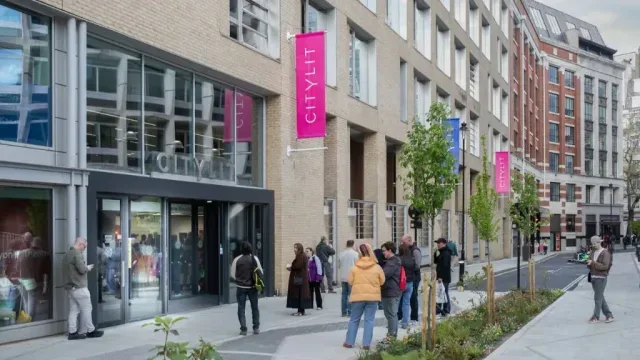
Keeley Street, Covent Garden