Ways into art history: interpreting iconography



An all-levels introduction to interpreting religious and secular artworks through iconography, iconology, visual analysis and historical context.
About this course
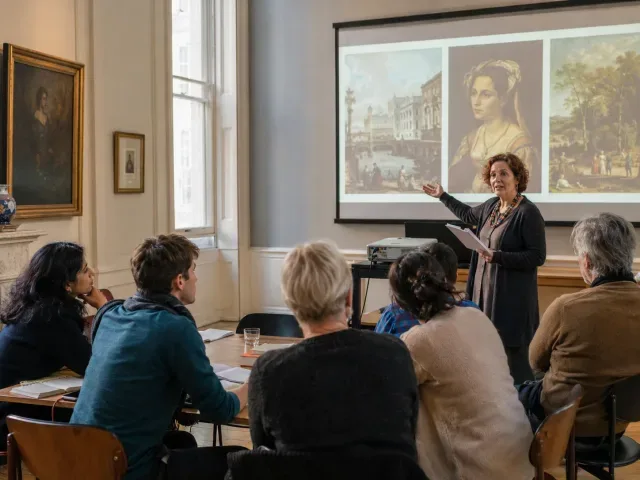
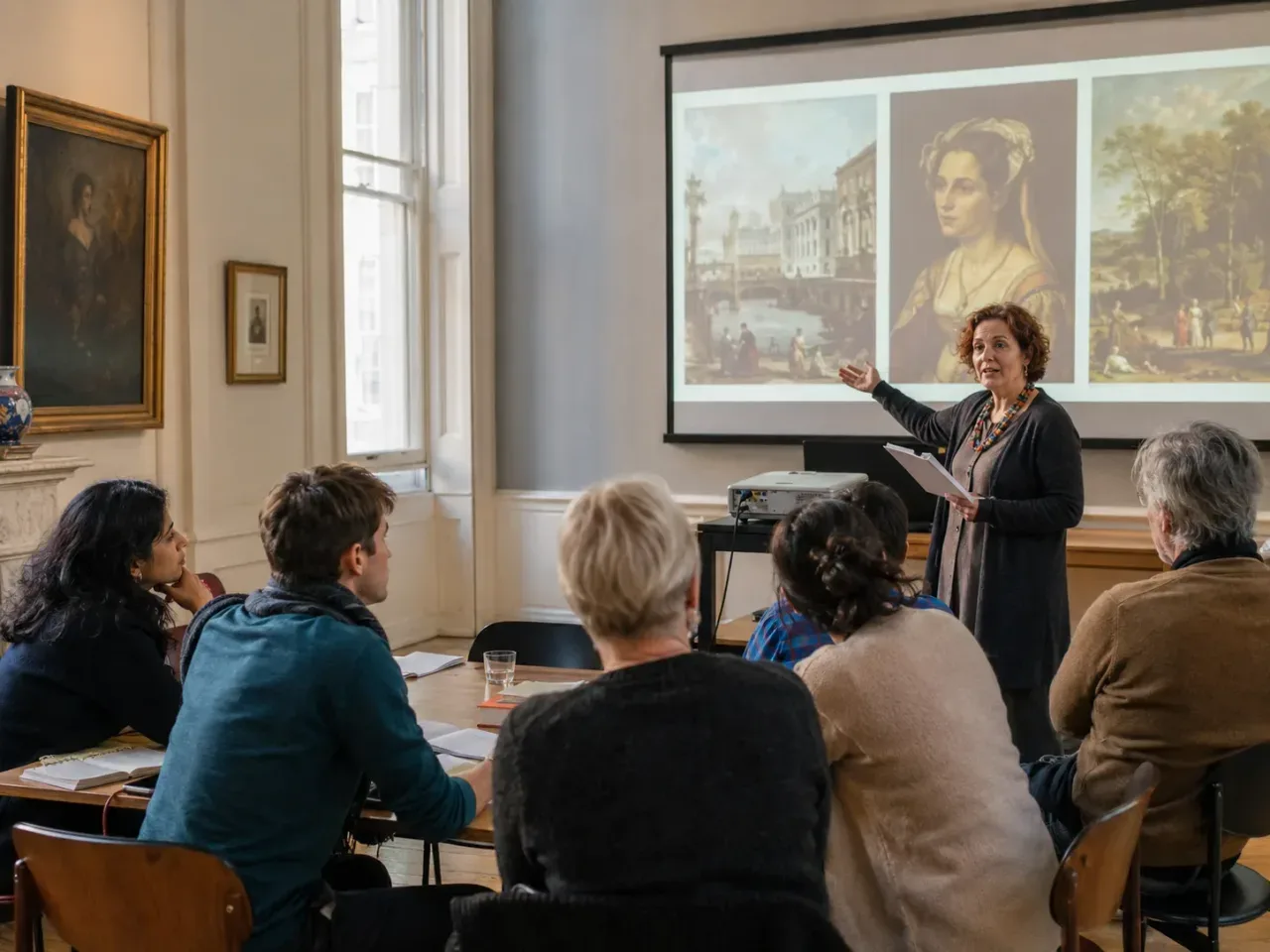
The course introduces iconography and iconology as approaches to understanding how images communicate meaning. Through lectures, slide presentations, activities and group discussion, learners examine recurring motifs, symbols, attributes and narrative conventions in Western art from the late medieval to early modern periods. Case studies cover sacred subjects including the Old Testament, Christ, the Virgin Mary and the saints, alongside classical mythology and allegory. The course also considers how texts, traditions, patronage and intended audiences shape interpretation, drawing on sources such as biblical writing, hagiography and classical literature.
What you'll learn
- Define iconography and iconology within art-historical analysis
- Identify symbols, attributes and narrative conventions in religious and secular artworks
- Interpret visual material in relation to textual sources, historical context and intended audiences
Is this course right for you?
The course is intended for learners at all levels and combines taught material with activities and group discussion. Participants should be able to follow simple written and verbal instructions, demonstrations, handouts and health and safety information.
- Includes discussion of images depicting violence, martyrdom, eroticism and suffering
- Uses group discussion alongside lectures, visual presentations and activities
Before you go
- A notebook may be useful for taking notes.
- Books from any reading list may be purchased if desired.
- Course handouts are provided through Google Classroom.
Class teacher
Elisa Stafferini
Class teacher
Where this course runs
Upcoming classes
1 class
Selected date
Thu 15 Apr 2027
11:00 – 13:00 • 11 weeks
£279
Keeley Street, Covent Garden